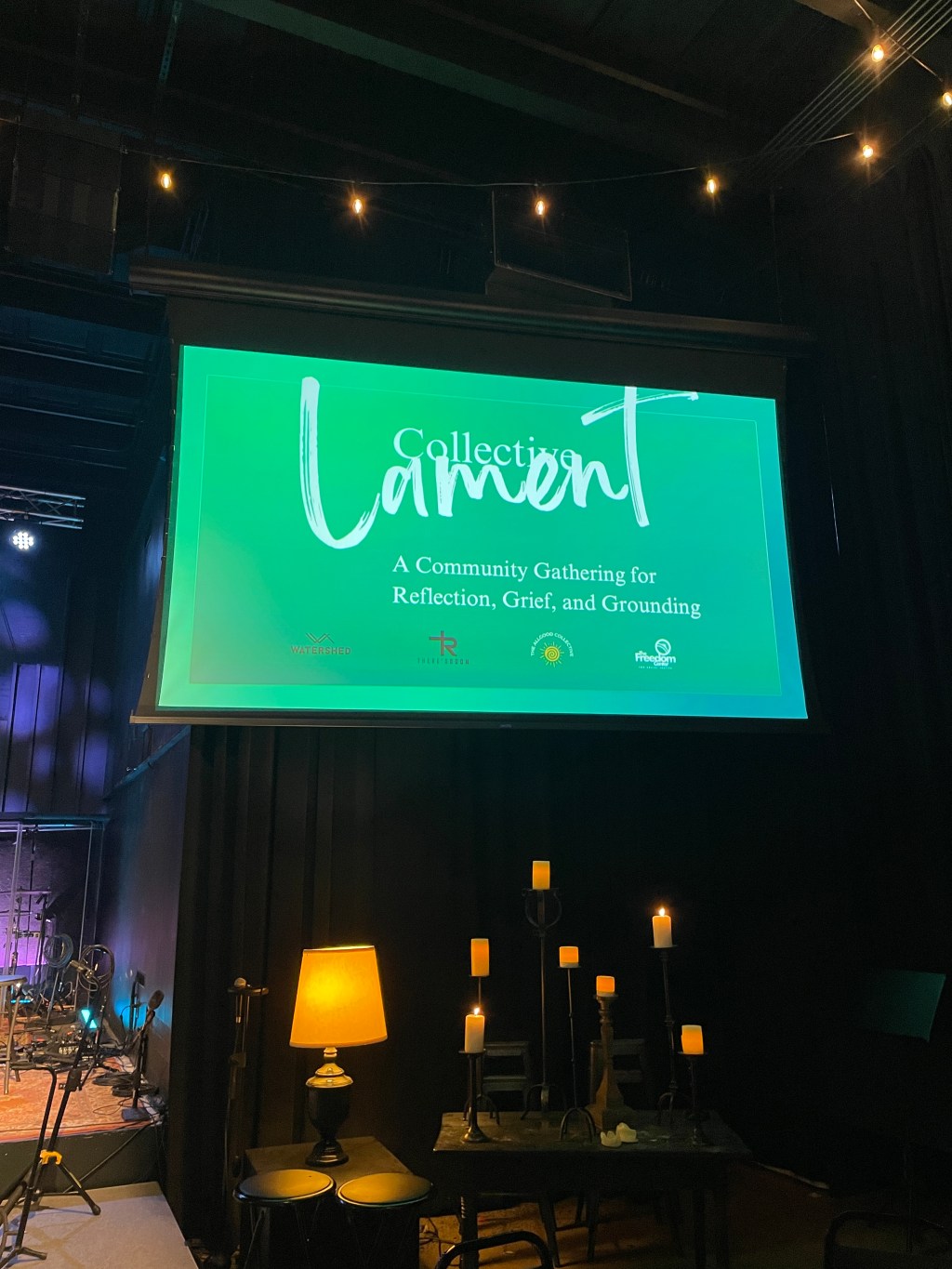
Lately, writing has been hard for me. I have struggled to figure out exactly what to put on the page and how to articulate my thoughts and feelings around a bevy of topics. As I write this now, that feeling remains. However, as I think back on our recent gathering, Collective Lament, I am starting to realize, maybe that is okay. Maybe it is okay to not have the exact words. Maybe it is okay to have the words but not be able to say them. Maybe it is okay to say them, but they come out funny.
Collective Lament was originally the brainchild of our comrade, Cameron Pruette from The Freedom Center for Social Justice following his attendance at our Winter Solstice Celebration. Cameron appreciated the intentional, intimate gathering that allowed folks to just exist and be in the space together. He asked me/There’s Room and Tommy Garvin/The AllGood Collective to partner with him on creating something similar with a focus on grief and lament. Immediately, we said yes!
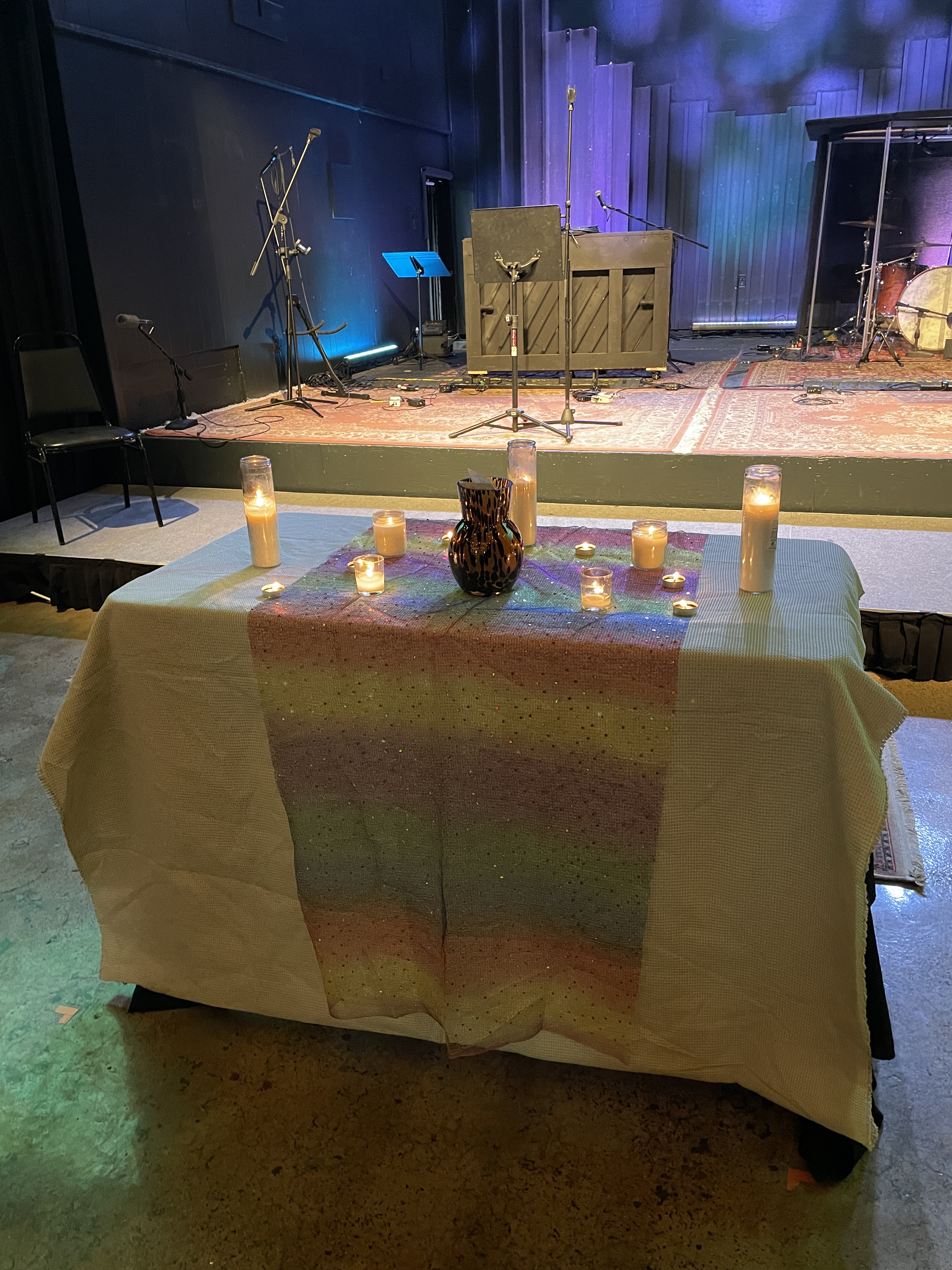
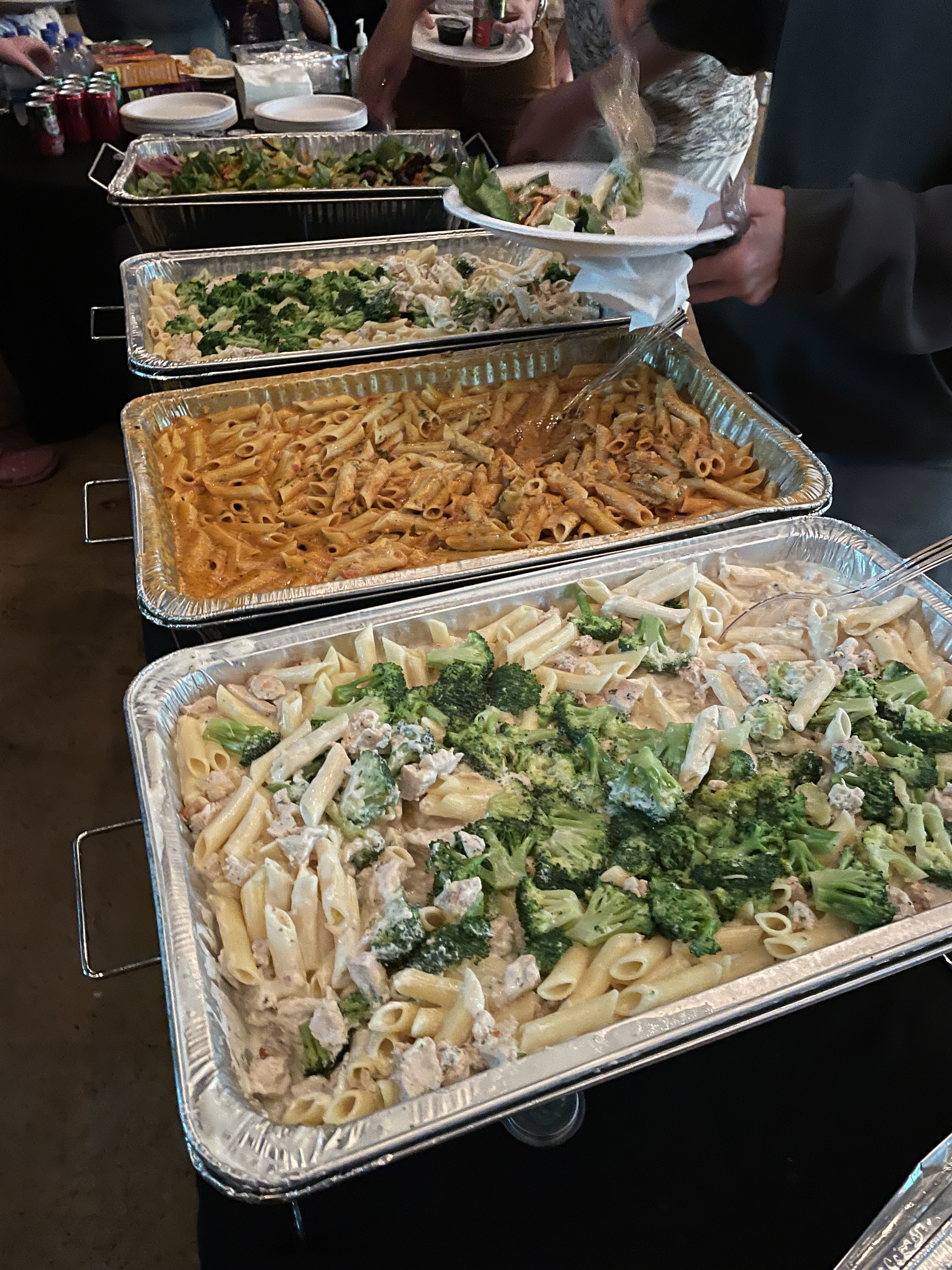
Over several weeks we discussed and planned an event with the goal of allowing individuals to show up as their full selves. A space where folks could articulate their grief and listen to the pains of others. A space that was grounded, calm, and honest. Meeting at Watershed CLT, surrounded by candles, purposeful music, sound baths, moments of mediation, small group discussions, and plenty of yummy food, I am happy to report we were able to accomplish that goal.
Lament in many cultures, but especially Christian cultures has always been a way to release and acknowledge what is bothering us. In the Hebrew Bible, we see lament repeatedly but especially in the Psalms, Job, Ecclesiastes, and Lamentations. Overtime, Christians/Christianity has moved away from the practice of lament. It has become something frowned upon, seen as signifying a lack of faith. In reality, lamenting is the practice of expressing grief, pain, or sorrow directly to God. For generations, it was understood as an act of prayer, one that showed a true faith in God and His ability to hold our problems. It was an understanding that God is powerful enough to comfort us in our despair and that She cares enough to do something about it.
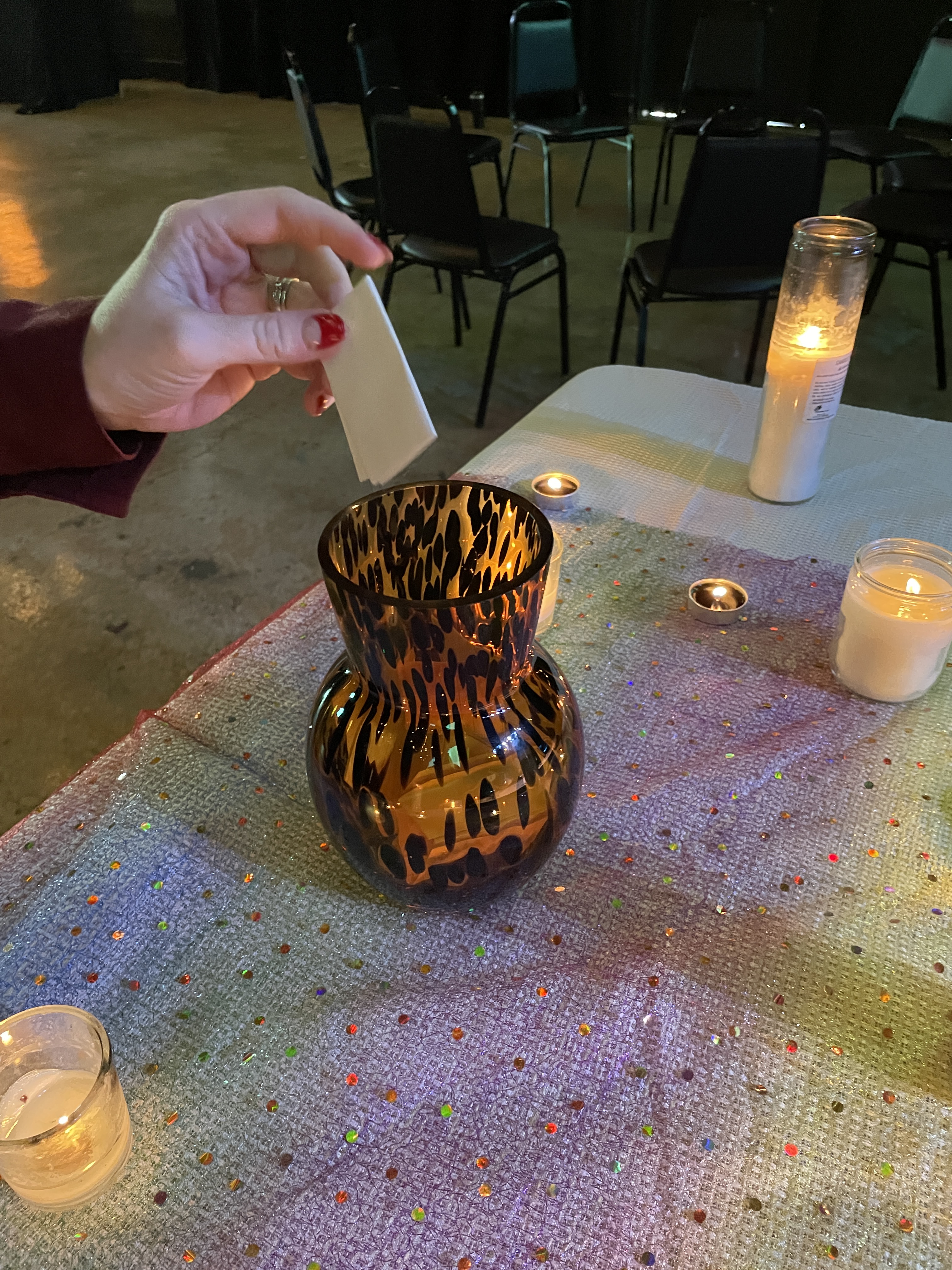
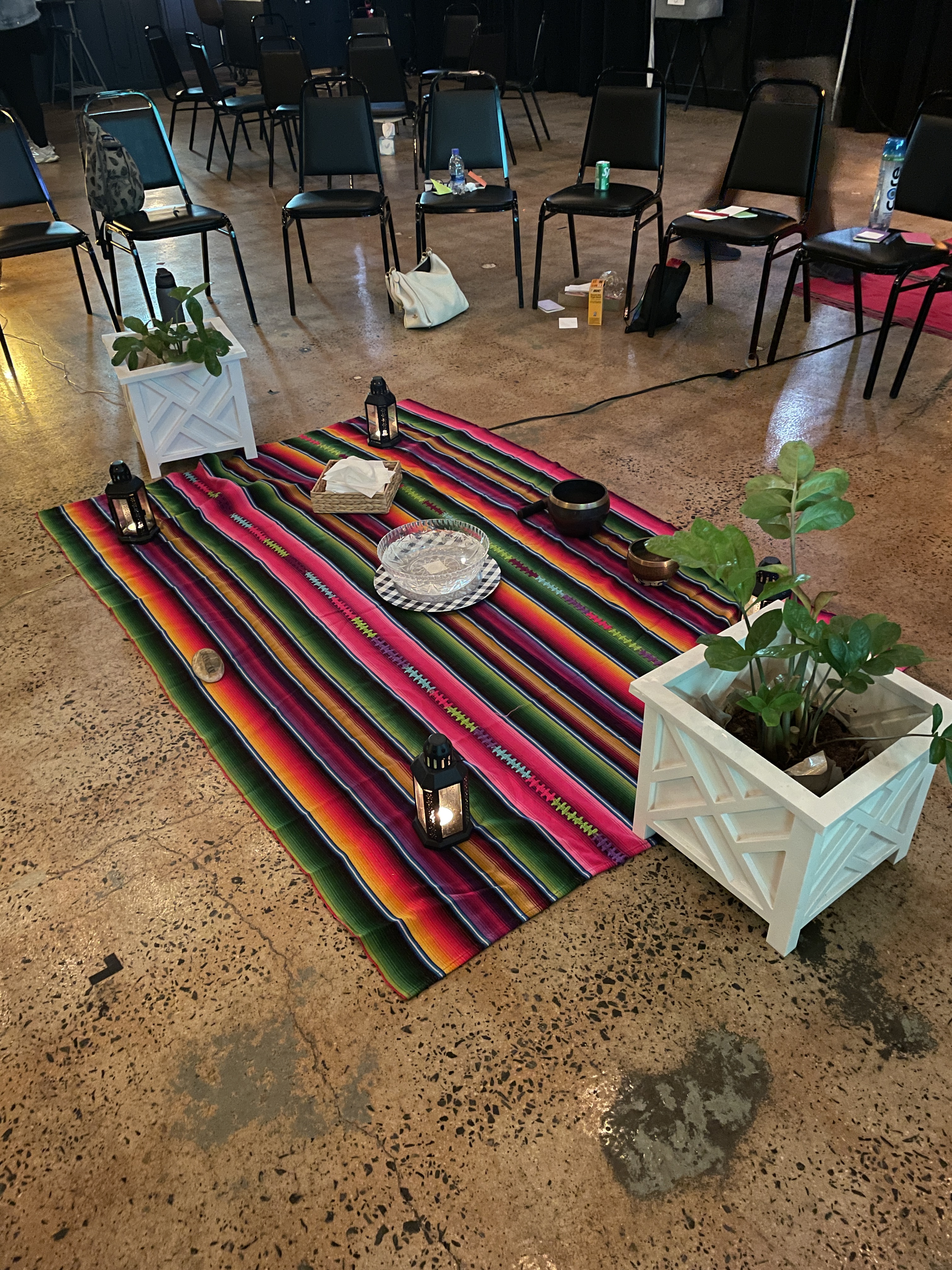
Typically, when read in the Bible, prayers of lament conclude with a confession of trust. A moment where an individual would remind God and themselves that despite all that is happening, they trust God to hear them and to intervene. Collective Lament was a non-religious gathering but held these same tenants. As everyone shared, there was an acceptance that each of us would do our parts to make the world less painful for those around us.
Ultimately, these types of gatherings and There’s Room as an org, functions with this aim in mind. That regardless of social location, we can be present for our fellow comrade. That there is power in the silence of just sitting and being presence, and we can use the resources we have to intervene and reduce the suffering of another. Let us not forget the power we have to show up for one another. Let us remember the agency and dignity we all carry. Let us remember that our collective lament is important and necessary.
I look forward to continuing to show up together, to hold each other, to process communally, and to activate the change we all deserve.
PJ
 There's Room of North Carolina
Leave a comment